Table Of Content
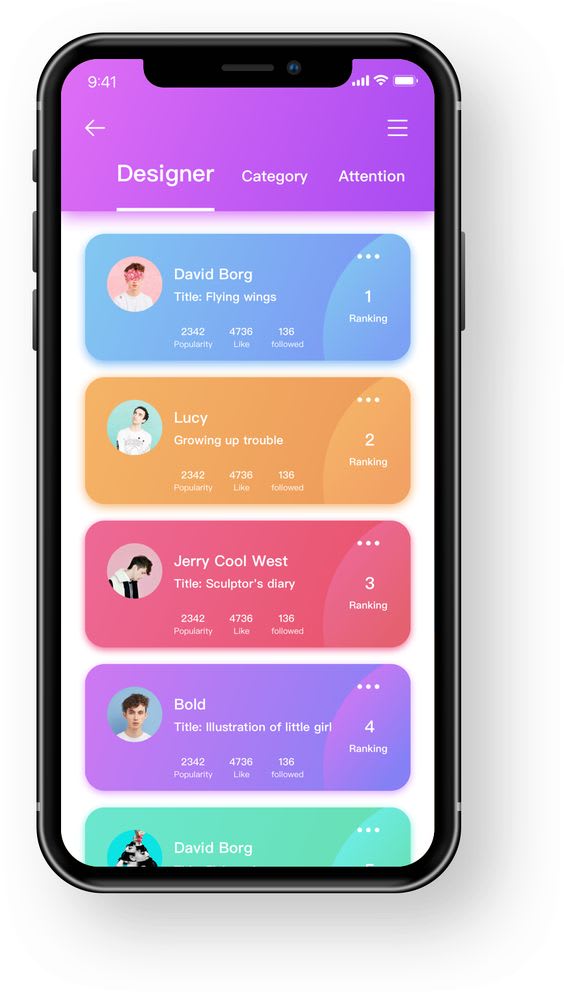
Create high-fidelity mockups that showcase the app’s interface, typography, colors, and icons. Once you have a basic structure, create wireframes, which are simplified visual representations of the app’s layout. Whether you’re an app user or developer, understanding Material Design can help you appreciate the thought and creativity put into crafting engaging and user-friendly Android app interfaces.
Why is user feedback crucial in Android app design?
And this is why when you are trying to appease such a large user base, you want your app to stand out. Our comprehensive documentation helps ensure that your app’s design adheres to the highest standard and directs you to the latest Material Design guidelines. Wireframing is a useful way to validate app design basics and features. And it is often seen as a critical way to create a blueprint for app design and execution.
Design an Intuitive User Interface
When users click buttons, scroll, or navigate from screen to screen, their actions should yield an immediate response from the app. The guys at Fluid UI are also happy to say that they do all of their design work, run their stand-ups and team meetings and ideate all within the Fluid UI. If you are fed up with having to pay for multiple tools then you need to try Fluid UI (for free). It aids easy workflow and easily import your designs from Sketch, Figma, and Photoshop and collaborate with your team members. Good news is, I’ve distilled the 24 tools mobile app developers prefer to use.
Gmail for Android tablets gets this new design change, here’s how it makes it easier to use the app - The Times of India
Gmail for Android tablets gets this new design change, here’s how it makes it easier to use the app.
Posted: Mon, 04 Dec 2023 08:00:00 GMT [source]
Simple navigation

Being that this is Android and we’re granted the power to make our phones work the way we want them to work, that’s not only possible but also quite easy to accomplish. My revelation is actually two-fold, all related to that Niagara app access concept. When people ask me why I prefer Android over that (cough, cough) other mobile platform, the answer is a little complicated. The software is easy to learn and get familiar with, as most of its features are easy to understand. Shared Components – You can also reuse components across multiple prototypes, which makes it easy to update them simultaneously. Axure offers 30 days of free access so that you can use the software and see if it’s good for your needs.
Application design software helps them make and collaborate on wireframes and mockups, while Android Studio software allows users to code and build out the application. It’s also important for the two groups to communicate with each other. You may fall in love with something that’s popular and use it everywhere. But in doing so, you run the risk of making your app look like everyone else’s. To satisfy these objectives, you must develop amazing and appealing app UI styles that will increase the number of users and downloads.
You will also need app designing tools and procedures to help your workflow. Optimizing images, using efficient coding practices, and minimizing the number of features can help improve load times for a better user experience. It goes far beyond design and workflow—which allows mobile designers to create a masterpiece. It allows you to upload your wireframes and visual designs from Photoshop and Sketch and add them to your project folder in Zeplin.
Two-factor authentication is a standard security process to protect users against identity theft and fraudulent attacks. For example, research from Google rates SMS as one of the most effective ways to block 99% of phishing attacks, along with automated bots and other targeted attacks. Data-driven design models can increase the quality of UI and UX and improve engagement and retention. Using these models, designers can find inspiration for their own designs and ensure UX and UI is appropriate to the app’s context.
Design Visual Elements:
Design elements like familiar icons, standard placement of menus, and consistent typography contribute to a seamless experience for you. Engaging visuals, appealing color schemes, and thoughtful use of animations create a visually pleasing environment that captures your attention and keeps you engaged. You just created your first fully functional, native app for Android!
This stage is all about creating an appealing and engaging visual experience. With the wireframes in hand, it’s time to bring your app to life visually. With the ever-increasing diversity of Android devices, Material Design embraces adaptive design principles. It’s an exciting design language developed by Google specifically for Android apps.
This way, they can see what it's all about and decide if they want to stick around. A bit of animation placed in the right place can help users comprehend what's going on more easily. But, it's important to not go overboard - too much animation can be an instant turn off. The typeface you pick can be just as significant as the colors you choose. An appropriate font can help fortify your app's brand and make a big effect on the appearance and feel of your app. When your wireframe and prototype are ready for action, it's time to get some honest feedback from real people.
Gather feedback from users, stakeholders, and peers to identify areas of improvement and refine your app's interface for a better user experience. Colors and typography are essential in creating effective UI design for Android apps, defining the visual hierarchy and improving readability, legibility, and usability. This section will discuss choosing appropriate colors and typefaces to create visually appealing and user-friendly interfaces in your Android app.


No comments:
Post a Comment